That 'Base Fare' Is a Lie: The Fuel Surcharge Shell Game Airlines Are Playing With Your Money
You found a great fare. $189 round trip to Miami. You clicked through, spent ten minutes entering your card details, and somehow ended up staring at a $312 total. What happened in those ten minutes?
Fuel surcharges happened. And carrier-imposed fees. And facility charges. And a handful of other line items dressed up in language so vague you'd need a law degree to fully decode them.
This isn't an accident. Airlines have spent years engineering booking flows that lead with an attractive number and bury the real cost until you're already emotionally committed to the trip. Here's how the whole system works — and how to protect yourself before you click "confirm."
What Even Is a Fuel Surcharge?
Fuel surcharges were born out of the oil price spikes of the early 2000s. Airlines, getting hammered by rising jet fuel costs, needed a way to recover revenue without technically raising their advertised fares. The solution: tack on a separate "surcharge" that covered the difference.
Here's the problem: oil prices came back down. The surcharges didn't.
Today, fuel surcharges often have very little to do with actual fuel costs. Many carriers have quietly rebranded them as "carrier-imposed fees" or "carrier surcharges" — a distinction that matters more than it sounds. Because when a fee is called a "fuel surcharge," regulators and consumer advocates can at least ask whether fuel costs justify it. When it's a "carrier-imposed fee," the airline can charge whatever it wants for essentially whatever reason it wants.
On international routes especially, these fees can range from $50 to over $150 per segment. On a round-trip flight to Europe, you could easily be looking at $200–$300 in surcharges alone, layered on top of government taxes.
The Line Items You Need to Know
When you're reviewing a booking confirmation — or better yet, a fare breakdown before you confirm — here's what to look for:
YQ and YR taxes. These are the IATA codes for carrier-imposed surcharges. YQ typically covers fuel, while YR is a catch-all for other carrier fees. If you see these on an international itinerary, they can be substantial. Some airlines charge $100+ per segment in YQ fees alone.
Carrier-imposed fees. This is the renamed version of the fuel surcharge on many booking confirmations. It shows up as a separate line item from government taxes, but it's lumped in with them visually to blur the distinction.
Passenger Facility Charges (PFCs). These are legitimate airport infrastructure fees — legally capped at $4.50 per segment, up to $18 round trip. They're real, they fund airport improvements, and they're not something airlines are inflating. But they do add up, so it's worth knowing what you're looking at.
September 11 Security Fee. A flat $5.60 per one-way trip. Again, legitimate — but worth knowing it's there.
International surcharges. Some carriers add destination-specific surcharges for certain markets. These can appear as "fuel and insurance surcharges" or "international service charges" and may not be clearly explained anywhere in the booking flow.
Which Airlines Are the Worst Offenders?
Not all airlines play this game equally. Budget carriers like Spirit, Frontier, and Allegiant built their entire model around unbundling — you know going in that you're going to pay for bags and seat selection. That's annoying, but it's at least transparent in its own way.
The more frustrating offenders tend to be legacy carriers and international flag carriers operating on long-haul routes, where the base fare can look competitive right up until the surcharges hit.
British Airways has long been one of the most aggressive surcharge imposers on transatlantic routes. Their YQ fees can add $200–$400 to a round-trip booking, which is particularly painful when you're trying to redeem Avios points — BA charges surcharges even on award tickets.
Lufthansa and its partner airlines in the Miles & More program similarly layer on carrier fees that can make award redemptions far less valuable than they appear.
Singapore Airlines charges fuel surcharges on both cash and award tickets, though the amounts vary by route.
Among US carriers, United and American tend to be lighter on surcharges for domestic routes but can impose them on international itineraries, especially when codesharing with partner airlines that charge higher fees.
Delta has generally moved away from separate fuel surcharges on its own metal, though partner redemptions through SkyMiles can still carry them.
How to Actually Avoid or Minimize These Fees
You can't make fuel surcharges disappear entirely, but you can be smart about minimizing their impact.
Use Google Flights to see the full price early. Google Flights displays the all-in price by default, including taxes and carrier fees. This makes it much easier to compare true costs across airlines before you ever click through to a booking page. A fare that looks $80 cheaper on one airline might actually cost more once surcharges are factored in.
Book directly through the airline for the clearest breakdown. OTAs (online travel agencies) sometimes obscure fee breakdowns. Booking directly often gives you a cleaner line-item view before you confirm.
Choose airlines that don't impose heavy surcharges on award tickets. If you're redeeming points or miles, this matters enormously. American Airlines AAdvantage, for instance, generally does not pass on fuel surcharges on its own operated flights — a meaningful advantage over some international programs.
Consider routing through carriers with lower surcharge structures. On transatlantic routes, airlines like Icelandair or Norse Atlantic Airways often have lower total fees than legacy carriers, even when base fares look similar.
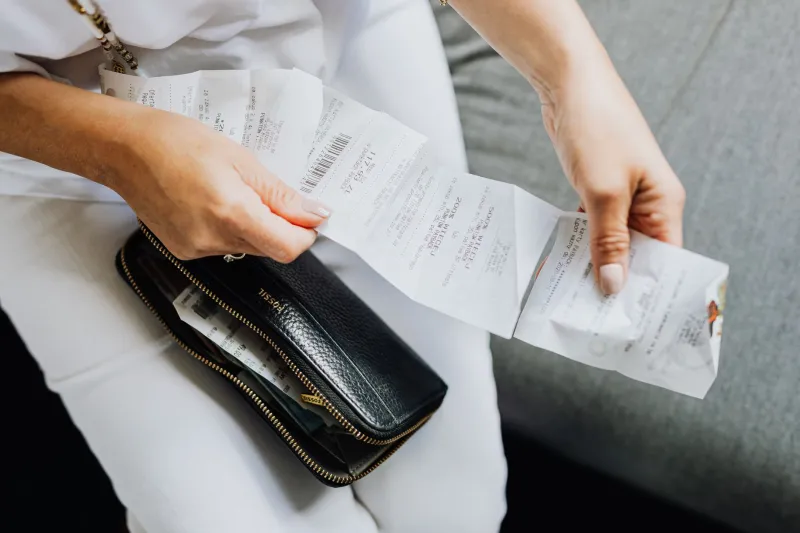
Read the fare breakdown before confirming. Most booking engines show a tax and fee breakdown somewhere in the checkout flow — usually in a collapsible section that most people ignore. Open it. Look for YQ or YR codes, or any line item labeled "carrier fee" or "carrier surcharge." If it's more than $30–40 on a domestic route, that's a red flag.
The Bigger Picture
Fuel surcharges are a symptom of a broader problem: the airline industry has spent decades optimizing for advertised prices rather than honest ones. Regulations have improved things somewhat — the DOT now requires that all mandatory fees be included in advertised fares for flights originating in the US. But carrier-imposed fees on international routes still operate in a gray zone that gives airlines plenty of room to maneuver.
The best defense is knowing what you're looking at. A fare breakdown isn't just a formality — it's the actual story of what you're paying for. Spend 60 seconds reading it before you confirm, and you might just keep a few extra dollars where they belong: in your pocket.
At FreeFlights, our whole thing is helping you find the real price before you commit. Not the number that looks good in a search result — the number you'll actually see on your credit card statement. Because finding a cheap flight means nothing if the fees quietly cancel out everything you saved.