Points vs. Miles: Running the Actual Numbers So You Don't Leave Free Flights on the Table
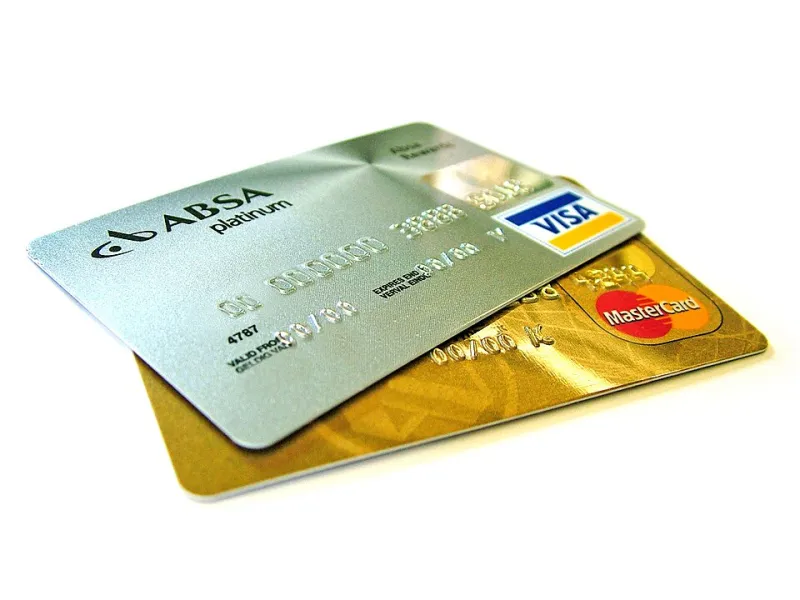
Photo: Lotus Head from Johannesburg, Gauteng, South Africa, CC BY-SA 2.5, via Wikimedia Commons
Everybody's got a travel rewards card these days. The question is whether anyone's actually getting value out of it. The pitch is simple — spend money, earn points or miles, fly for free — but the reality involves redemption rates, transfer partners, award availability, and devaluation cycles that can quietly gut the value of your hard-earned stash before you ever use it.
So let's cut through the marketing and do something the credit card companies would rather you didn't: the actual math.
Two Systems, Two Very Different Logics
First, a quick distinction that matters more than most people realize.
Airline miles are earned through a specific carrier's loyalty program — Delta SkyMiles, United MileagePlus, American AAdvantage, and so on. You earn them by flying that airline (or its partners), and you redeem them for flights on that same network. Your miles live inside one ecosystem.
Credit card points — think Chase Ultimate Rewards, American Express Membership Rewards, or Capital One Miles — are earned through everyday spending and can typically be transferred to multiple airline and hotel programs, or redeemed directly through the card's own travel portal. They're flexible by design.
The flexibility of credit card points is their biggest advantage. The depth of airline miles is theirs. Whether one beats the other depends almost entirely on how you fly.
What a Point (or Mile) Is Actually Worth
This is where most people get fuzzy, and where the industry loves to keep them that way.
As a rough benchmark, most travel rewards analysts value transferable credit card points at around 1.5 to 2 cents each when used strategically. A Chase Ultimate Rewards point, for instance, is worth exactly 1 cent if you use it through Chase's travel portal — but transfers to partners like United or Hyatt can push that value to 1.8–2.2 cents per point depending on the redemption.
Airline miles are trickier. Here's a snapshot of approximate current valuations:
- Delta SkyMiles: ~1.1–1.3 cents each (Delta's dynamic pricing model makes this highly variable)
- United MileagePlus: ~1.3–1.5 cents each
- American AAdvantage: ~1.4–1.7 cents each
- Southwest Rapid Rewards: ~1.4–1.5 cents each
These numbers shift constantly. Delta in particular has moved aggressively toward dynamic award pricing, meaning the same flight might cost 15,000 miles one day and 35,000 the next — making it nearly impossible to plan around a fixed redemption rate.
A Real-World Comparison
Let's say you want to book a round-trip flight from Chicago to Miami that's retailing for $320.
Option A: Airline miles (Delta SkyMiles) At Delta's current dynamic pricing, that same route might run 28,000–40,000 miles round-trip depending on timing. At a generous 1.2 cents per mile, 32,000 miles = $384 in value. You're coming out slightly ahead of the cash price, but barely — and you had to accumulate 32,000 miles to get there.
Option B: Chase Ultimate Rewards (transferred to United) If you transfer Chase points to United MileagePlus, the same Chicago-Miami route might price out at 20,000–25,000 miles (United still uses more of a fixed saver award structure for domestic routes). At 22,000 miles and 1.5 cents per point, that's $330 in value — roughly matching cash price. But you're using fewer points and keeping your options open for future transfers.
Option C: Chase portal redemption If you have the Chase Sapphire Reserve, you get 1.5 cents per point through the Chase travel portal. At that rate, 21,334 points covers a $320 ticket. Simple, no transfer needed, no award availability issues.
The takeaway: for domestic economy flights, credit card points often win on flexibility. Airline miles shine brightest on international business or first class, where award rates don't scale linearly with cash prices.
The Hidden Costs That Eat Your Rewards
Transfer fees: Most major credit card programs transfer to airline partners at no cost, but always verify. Some hotel programs charge a fee to convert points to airline miles — often 10,000 hotel points for 3,000 airline miles, which is a terrible trade you should almost never make.
Carrier-imposed surcharges: This is the big one. When you redeem miles on certain international carriers — particularly many European and Middle Eastern airlines — the airline charges fuel surcharges and carrier fees on top of your miles. A "free" business class ticket to London on British Airways might still cost you $600 in fees. American AAdvantage redemptions on British Airways flights are notorious for this. By contrast, booking the same flight using AAdvantage miles on Iberia (a oneworld partner) often comes with minimal fees.
Award availability: Having miles means nothing if you can't find award space. Some airlines (Delta, United) have gotten more generous about availability in recent years. Others remain frustratingly stingy, especially in premium cabins during peak travel windows.
Devaluation: This is the quiet killer. Airline programs devalue their currencies regularly — sometimes with notice, sometimes overnight. In the past five years, Delta has restructured SkyMiles pricing multiple times, and Marriott's Bonvoy program (which connects to several airline partners) has reduced the value of its points more than once. Credit card currencies aren't immune either, but they tend to devalue more slowly because they're spread across multiple partners.
A Simple Framework for Choosing Your Strategy
You don't have to pick one forever. Most savvy travelers use both. But here's a starting framework:
Lean toward credit card points if:
- You fly multiple airlines and don't want to be locked into one ecosystem
- You travel domestically more than internationally
- You value flexibility and don't want to track award availability across multiple programs
- You're just getting started with rewards and want one card to rule them all
Lean toward airline miles if:
- You consistently fly one airline (or alliance) and can accumulate miles quickly
- You're targeting premium international redemptions where miles-per-value ratios are highest
- You have (or are close to) elite status, which often means better award availability
- You've identified a specific sweet spot redemption — like flying business class to Japan on ANA using United miles, which remains one of the best value plays in the rewards world
The Bottom Line
Neither program is universally better. What matters is whether the currency you're accumulating is redeemable for the trips you actually want to take, at a value that beats what you'd pay in cash.
The travelers who get the most out of rewards aren't the ones with the most points. They're the ones who know exactly what those points are worth — and book accordingly. Run the math before you transfer anything, check for surcharges before you celebrate a "free" ticket, and never let a points balance sit idle long enough to get devalued out from under you.
Free flights are real. You just have to know which currency spends best.