Volunteering to Get Bumped Sounds Like Free Money — Until You Read the Fine Print
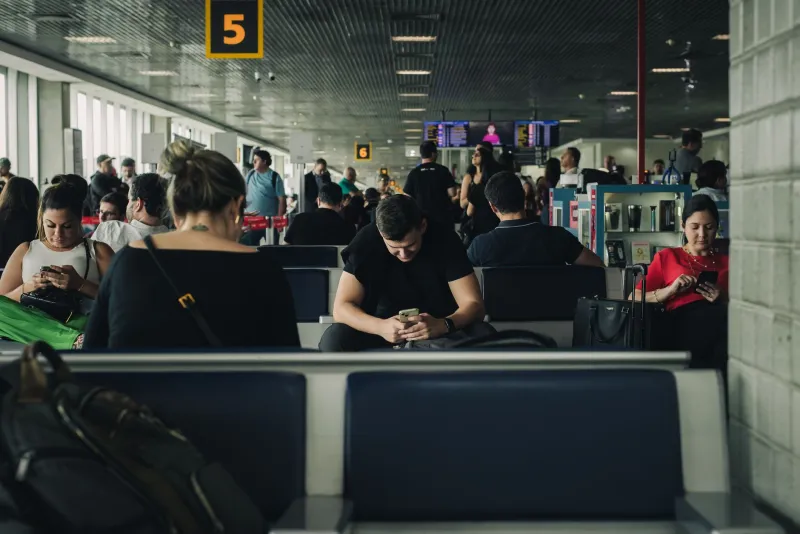
The scene is familiar. You're at the gate, coffee in hand, when a gate agent picks up the mic and announces the flight is overbooked. They need volunteers. In exchange? A travel voucher, maybe a meal, possibly a hotel stay. Half the terminal perks up like they just heard their lottery numbers called.
And honestly, it can be a sweet deal — sometimes. But airlines have spent decades refining the overbooking game, and the house almost always wins. Before you sprint to the podium, here's what's actually happening behind that friendly offer.
Why Airlines Overbook in the First Place
Let's be clear: overbooking isn't an accident. It's a deliberate, data-driven revenue strategy. Airlines know from historical patterns that a certain percentage of passengers will miss, cancel, or no-show for any given flight. So they sell more seats than physically exist on the plane, gambling that the math works out.
Most of the time, it does. When it doesn't, they need someone to step off — and they'd much rather you do it voluntarily than force the issue, because involuntary bumping triggers federal compensation rules that cost them real money.
That's the key thing to understand: the airline's entire motivation for making bumping sound appealing is to avoid paying you what they'd legally owe you if they bumped you against your will.
The Bidding Process Is Rigged in Their Favor
Many airlines now use a silent auction-style system where passengers submit the minimum compensation they'd accept to give up their seat. Sounds fair, right? In practice, it's designed to drive your expectations down.
Here's how it works: the airline sets a ceiling — often $10,000 per federal rules — but they start the bidding as low as possible, frequently with vouchers rather than cash. The system accepts the cheapest offers first. By the time your $400 cash bid gets considered, they've already filled their volunteer quota with someone who accepted a $175 voucher and a $12 food credit.
And that voucher? It's not the same as cash. Vouchers typically come loaded with expiration dates (often 12 months), blackout periods, and restrictions that make them genuinely difficult to use. One traveler shared on a frequent flyer forum that she accepted a $300 voucher in January, tried to use it for a summer trip in July, and found nearly every route she wanted was either blacked out or required a fare so high the voucher barely made a dent.
When the Compensation Gets Clawed Back
This is the part airlines really don't advertise. Your compensation — especially in voucher form — can be reduced or invalidated under circumstances that aren't always spelled out clearly at the gate.
Miss the rebooked flight they put you on? In some cases, the voucher is voided. Accept the bump and then cancel the replacement flight yourself? You may forfeit the travel credit entirely. Use the voucher on a sale fare and expect the full face value to apply? Some vouchers only cover the base fare, not taxes and fees — meaning a $300 voucher on a $310 ticket might leave you paying more out of pocket than you expected.
The fine print also sometimes specifies that the voucher is non-transferable, can't be combined with other promotions, and expires if the airline changes its loyalty program terms. None of this gets explained at the gate when the agent is smiling and handing you a paper slip.
The Situations Where Bumping Will Genuinely Cost You
Let's talk specific scenarios where raising your hand is a financial mistake, not a windfall.
You have a connecting flight on a different airline. If your rebooking gets you in too late to make a connection that's on a separate ticket or a different carrier, the airline that bumped you owes you nothing for that missed leg. You're eating that cost entirely.
Your destination has time-sensitive pricing. Flying to a city for a concert, a wedding, or a conference? Hotel rates and car rental prices often spike as the event approaches. A 24-hour delay could mean your lodging costs jump $150 a night — more than the voucher covers.
The rebooked flight arrives the next day. Airlines are required to get you to your destination, but "getting you there" can mean a 6 a.m. flight the following morning. If you have a non-refundable hotel night, a prepaid tour, or a meeting you can't reschedule, that voucher value evaporates fast when you subtract what the delay actually cost you.
You're traveling with family on separate tickets. If your family is split across two bookings, volunteering might land you on a different flight than your kids or partner. Airlines aren't obligated to rebook your whole group together.
When Bumping Actually Makes Sense
To be fair, there are real situations where volunteering is genuinely worth it — and we're not here to tell you to never do it.
If you're flying solo with no hotel or connection on the line, your destination is flexible, and the airline is offering cash (not a voucher), bumping can be a legitimate travel hack. Some experienced travelers deliberately book flights on routes they know tend to overbook — busy holiday corridors, hub-to-hub routes on Friday afternoons — specifically to position themselves as attractive volunteers.
The sweet spot looks like this: you have a flexible schedule, you're offered actual cash or a high-value voucher with no meaningful expiration restrictions, the next flight leaves within a few hours, and the airline is covering any meals or lodging you'd need in the interim.
In that scenario? Go for it. A few hours in an airport lounge with $400 in your pocket isn't the worst afternoon.
A Quick Decision Framework Before You Volunteer
Run through these questions before you raise your hand:
- Is the compensation cash or a voucher? Cash is always better. Push for it.
- When is the next available flight? Anything more than four hours is a meaningful disruption.
- Do you have non-refundable downstream bookings? Add up what a delay would actually cost you.
- Are you on a single ticket or does this connect to another carrier? Separate tickets mean separate risks.
- Does the voucher have an expiration date, and will you realistically use it? A voucher you won't use is worth zero.
- What would you be involuntarily owed? If the flight is domestic and the delay is over an hour, federal rules require cash compensation up to 200% of your one-way fare (capped at $775). Sometimes it's worth waiting to see if they'll bump you anyway.
The Bottom Line
Airlines have turned overbooking into a finely tuned profit mechanism, and the voluntary bump offer is the friendliest-sounding part of a system designed to protect their margins. That doesn't mean you can't come out ahead — but you need to do the math with clear eyes, not just react to the sound of "free travel."
At FreeFlights, we're all about finding the deals that actually hold up when you scrutinize them. Volunteering to get bumped can be one of them. But only when the numbers genuinely work in your favor — not just when the gate agent makes it sound like they do.