Airlines Are Auctioning Off Business Class Right Now — And Most Travelers Have No Idea How to Bid
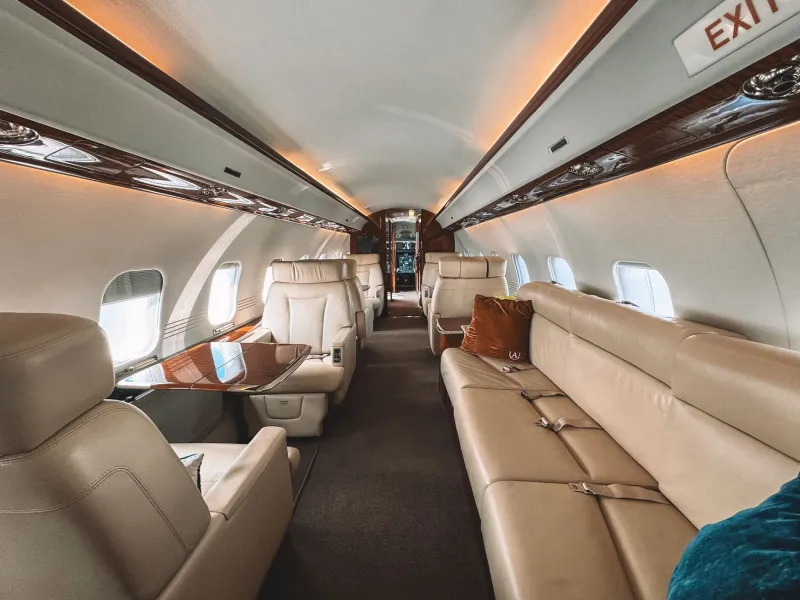
Somewhere between when you checked in and when your boarding group gets called, a quiet little auction is wrapping up. The airline you're flying just sold a handful of business class seats to the highest bidders — and those bidders didn't pay the $600 upgrade price on the airline's website. Some of them paid $75. A few paid less.
This isn't a rumor or a loophole that's about to get shut down. It's an official, airline-sanctioned system that major carriers have been running for years. They just haven't exactly gone out of their way to advertise it.
Why Airlines Run These Auctions in the First Place
Airlines have a perishable inventory problem. Once the cabin door closes, every empty business class seat represents pure lost revenue. They can't store it, roll it over, or sell it tomorrow. So in the 24 to 96 hours before departure, many carriers quietly open their unsold premium seats to a bidding system — letting economy passengers throw in an offer and potentially move up for a fraction of the published upgrade cost.
It's a win-win on paper. The airline recovers some revenue from a seat that would otherwise fly empty. You get a lie-flat seat and a warm meal for what amounts to a rounding error on the original ticket price. The catch is that most travelers never even realize the invitation landed in their inbox.
Which Airlines Actually Do This
Not every carrier runs a formal auction, but several major US-relevant airlines do — and a few use third-party platforms to manage the whole thing.
United Airlines uses a system called PlusPoints for elite members, but their upgrade bidding for non-elites runs through a separate offer process tied to your reservation. Delta has experimented with bid-based upgrades through its upgrade waitlist mechanics. American has used similar systems periodically. Where it gets really interesting is with international carriers flying US routes — Lufthansa, Singapore Airlines, Qatar Airways, and Air Canada all run formal upgrade auction platforms that any economy passenger can access, regardless of status.
The platform that powers a lot of these behind the scenes is called Plusgrade, a Canadian tech company whose upgrade auction software is licensed by dozens of airlines. If you've ever gotten an email from an airline saying something like "Make an offer for a premium seat" in the days before your flight, that's almost certainly Plusgrade running the show.
The Timing Window That Matters Most
Here's where strategy comes in. Most upgrade auction invitations go out between 7 and 3 days before departure, with bidding windows that close anywhere from 24 to 48 hours before the flight. The sweet spot for submitting your bid is usually 2 to 3 days out — early enough to get your offer in before competition heats up, but late enough that you have a realistic read on how full the flight is.
Want a quick way to gauge your odds? Check the seat map. If business class still looks half-empty two days before departure, the airline is motivated. Your $100 bid on a transatlantic flight might actually land. If the premium cabin is already showing mostly occupied, you're competing harder and should either bid higher or save your money.
What to Actually Bid — Without Overpaying
This is where most people get it wrong. They either bid too low (insulting the system's floor price) or they panic-bid close to the published upgrade rate, which defeats the whole purpose.
A few rules of thumb that experienced upgrade hunters use:
Start at 10-15% of the published upgrade cost. If the airline is selling the upgrade outright for $400, a starting bid of $50-$75 is reasonable on a flight that isn't selling out. You'll lose sometimes. That's fine.
Bid in odd numbers. This sounds like a poker tell, but it works. Bidding $113 instead of $100 puts you ahead of everyone who rounded to a clean number — and airlines typically award ties to the higher bid or use timestamp order.
Don't bid on short hops. A two-hour domestic flight in business class is rarely worth $100-$200 extra, even if the seat is nicer. Save your bidding energy for transcon routes (think JFK to LAX or ORD to SFO) and international flights where the premium experience actually changes your day.
Bid on the flights where you'd genuinely feel the difference. Red-eye flights, flights over five hours, or any route where you need to arrive functional — those are the ones where winning a flat bed or extra legroom has real value.
How to Find the Auction If You Weren't Invited
If you booked through a third-party site like Expedia or Google Flights, there's a decent chance the airline's upgrade email never reached you — or went to a spam folder. Fix that by logging into the airline's website directly and pulling up your reservation. Look for any "upgrade offer" or "bid for upgrade" link in the manage booking section. Some carriers surface it there even if the email got lost.
You can also proactively check Plusgrade's partner list at their website to see if your airline uses their platform, then look for the offer link in your booking confirmation or reservation management page.
For international carriers especially, it's worth checking in with the airline's app 5-7 days before departure. Carriers like Air Canada and Lufthansa push upgrade auction notifications through the app even when emails miss.
What Happens If You Win — and What to Do If You Lose
Winning bids are typically charged to the card on file and confirmed via email, usually 24-48 hours before departure. You'll get a new boarding pass reflecting your upgraded seat. No drama, no standby waiting — you're confirmed.
If you don't win, you pay nothing. The bid is a non-binding offer until the airline accepts it. So there's genuinely no downside to throwing in a lowball number on every eligible flight you take. Worst case, you board in the same seat you already paid for. Best case, you're drinking a real cocktail in a proper seat while the rest of the cabin fights over the overhead bin.
The Bottom Line
Airlines built these auction systems to solve their own revenue problem — but they accidentally created one of the best budget travel hacks available right now. You don't need elite status. You don't need an airline credit card. You just need to know the system exists, check your reservation a week out, and be willing to put in a reasonable offer.
For $50 to $200 on the right flight, you can turn a miserable long-haul economy experience into something you'd actually look forward to. That's the kind of math we're always here for.