Overbooked and Paid: How Savvy Travelers Are Turning Full Flights Into a Side Hustle
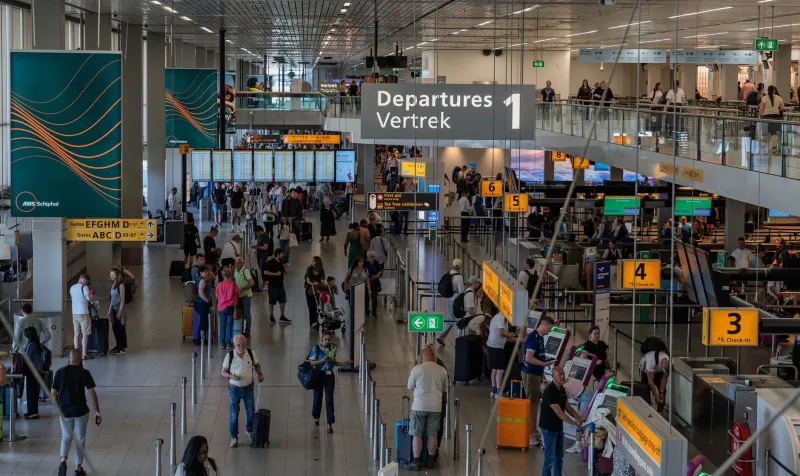
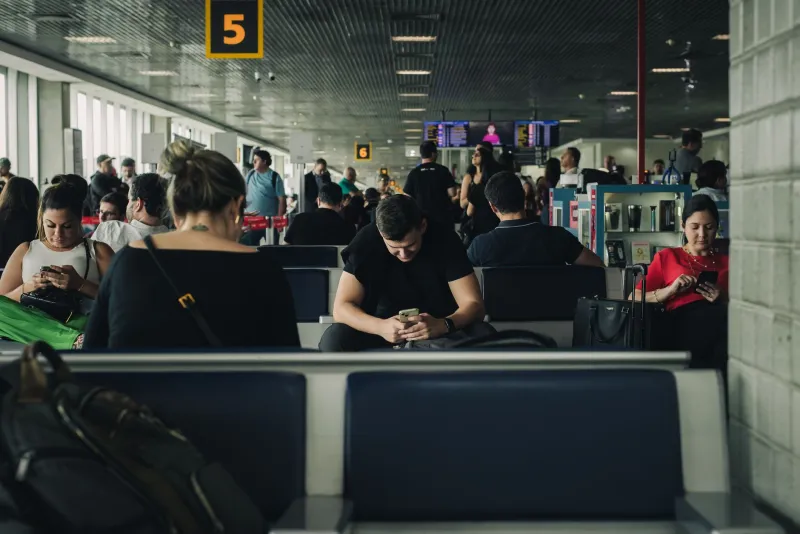
Most people hear "overbooked flight" and immediately picture a gate agent apologizing into a crackly intercom while a line of frustrated passengers forms near the jetway. That's fair — for most travelers, overbooking is an inconvenience at best and a vacation-ruining nightmare at worst.
But a small, quietly growing group of flyers has started seeing overbooked flights differently. To them, a packed gate isn't a problem. It's an opportunity.
Here's the thing: airlines have been overbooking more aggressively since 2021, and compensation offers have climbed along with the chaos. If you know what to look for — and how to position yourself — you can increase your odds of walking away with real money, a free round-trip voucher, or both. And you might not even miss your original flight in the process.
Why Airlines Overbook in the First Place (And Why It's Getting Worse)
Airlines overbook because no-shows are baked into the math. On any given flight, a predictable percentage of ticketed passengers simply won't show up — missed connections, last-minute cancellations, schedule changes. Rather than fly with empty seats, airlines sell more tickets than there are seats, betting that enough people will bail before boarding.
For decades, this worked out pretty cleanly. Then the pandemic scrambled everything.
Cancellation behavior became wildly unpredictable. Airlines recalibrated their models, staffing shrank, and travel demand bounced back faster than anyone expected. The result? More flights where the math doesn't work out — where everyone actually shows up and there aren't enough seats.
According to DOT data, overbooking-related involuntary bumping dipped during the early pandemic years but has been creeping back up. More importantly, voluntary bumping — where airlines ask passengers to give up their seats in exchange for compensation — has become a much bigger line item for carriers. American, Delta, and United have all increased their opening compensation offers at busy gates, in some cases starting bids at $500 or more before the auction even gets competitive.
That's real money. And some travelers are engineering situations where they're first in line to collect it.
Which Flights Get Overbooked Most Often
Not all routes are created equal when it comes to overbooking probability. If you want to play this game, you need to know where the action is.
Short-haul, high-frequency domestic routes are overbooked most aggressively. Think Chicago to New York, LA to San Francisco, Dallas to Houston. These routes run multiple times a day, so airlines know that bumped passengers can be rebooked within hours. The risk to the carrier is low, which means they overbook more freely.
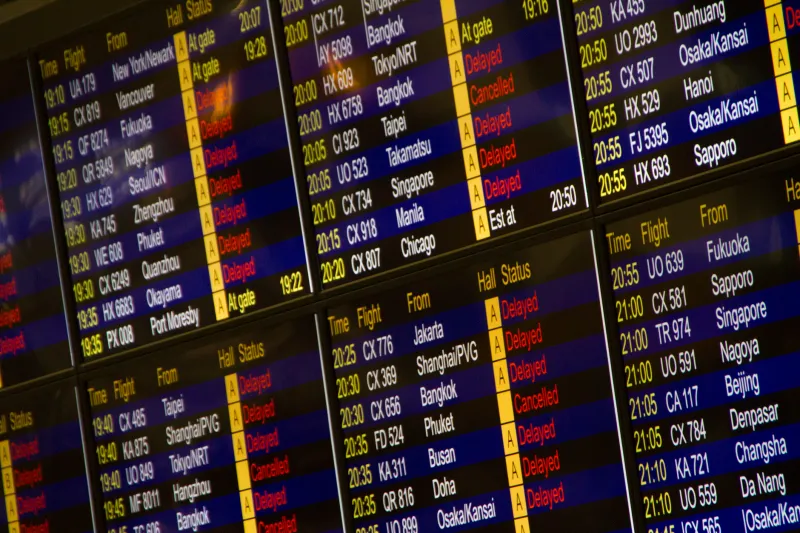
Holiday travel windows are prime time. The days immediately before Thanksgiving, Christmas Eve, New Year's Eve, and the peak summer Fridays see some of the highest overbooking rates of the year. Ironically, these are also the flights where airlines are most desperate to clear volunteers, because delays and chaos on those days cascade across their entire network.
Morning bank flights — the early departures that feed into hub connections — also get overbooked heavily. Airlines can usually rebook bumped passengers onto the next wave without much disruption.
Leisure routes to warm-weather destinations (Orlando, Vegas, Cancún-adjacent connections) also see elevated overbooking, especially during peak season. Families and vacation travelers book these far in advance, and airlines know last-minute no-shows are lower — so they overbook more to compensate.
How to Read the Signals Before You Even Get to the Gate
You don't have to fly blind. There are ways to gauge whether your flight is likely to be overbooked before you show up.
Check seat maps obsessively. If a flight is nearly sold out two or three weeks out, that's a strong indicator. Use Google Flights, Kayak, or the airline's own booking tool to see how few seats remain. A flight with only middle seats left in the back row — weeks before departure — is often already oversold.
Watch upgrade availability. If elite status upgrades clear very close to departure or not at all, it usually means the cabin is genuinely packed. Contrast that with flights where upgrades clear days early — those are underbooked and less useful for this strategy.
Use ExpertFlyer or similar tools. Paid seat-availability trackers can show you how inventory is moving across fare classes. When lower fare buckets close early and the flight keeps selling, that's a classic overbooking pattern.
Positioning Yourself to Be Selected — Without Getting Stuck
Okay, here's where the strategy gets interesting. There's a difference between passively hoping to get bumped and actively putting yourself in position to collect.
Book the last flight of the day — but only if you have flexibility. Airlines are more desperate to clear volunteers on flights where they can rebook passengers the same day. The last departure to a major hub is actually a sweet spot: the airline wants to resolve the overbooking before midnight, so offers escalate quickly.
Check in as late as possible. Gate agents typically approach passengers who haven't checked in or haven't selected seats first. Checking in at the 24-hour mark but waiting to get your boarding pass assigned can put you on the informal list of "flexible" passengers.
Volunteer proactively at the gate. Don't wait to be asked. Walk up to the gate agent 45 to 60 minutes before boarding and let them know you're open to taking a later flight if they need volunteers. Agents remember this. When the scramble starts, they'll come to you first — and you'll have first shot at the compensation package before it gets picked over.
Negotiate before you accept. The first offer is rarely the ceiling. Ask what the next offer will be if you decline. Ask whether you can get the compensation in cash or a check rather than a voucher. Ask about seat upgrades on the rebooked flight. Airlines have more flexibility here than they let on.
Always confirm your rebooked flight before giving up your seat. Get the new boarding pass in hand. Don't accept a verbal promise that "we'll get you on the next one." You want a confirmed seat assignment before you walk away from the gate.
What You're Actually Owed
If you're involuntarily bumped — meaning the airline removes you without your consent — federal rules kick in. For domestic flights, you're entitled to 200% of your one-way fare (up to $775) if the airline gets you to your destination within one to two hours of your original arrival. If the delay is longer, that jumps to 400% of your one-way fare, capped at $1,550.
Voluntary bumping is a separate negotiation with no federal floor — but that's actually where the bigger money often lives, because airlines can offer travel credits, vouchers, or cash without the DOT caps applying in the same way. A $1,200 travel credit for giving up a $180 seat on a two-hour delay? That math works out extremely well.
The Bottom Line
Overbooking isn't going away. Airlines built it into their revenue models decades ago, and even with all the regulatory scrutiny post-2017, the practice remains entirely legal and very much alive. The difference now is that compensation offers have grown, passengers have more information than ever, and a few smart travelers have figured out how to flip the script.
You don't have to be a victim of an overbooked flight. With the right route selection, a little gate-agent diplomacy, and a flexible schedule, you can be the person who walks away from a chaotic boarding situation with a free ticket and a story worth telling.
The flight was full. You made it pay.