Stop Drowning in Fare Alerts: The 7 Worth Keeping and the 3 to Delete Today
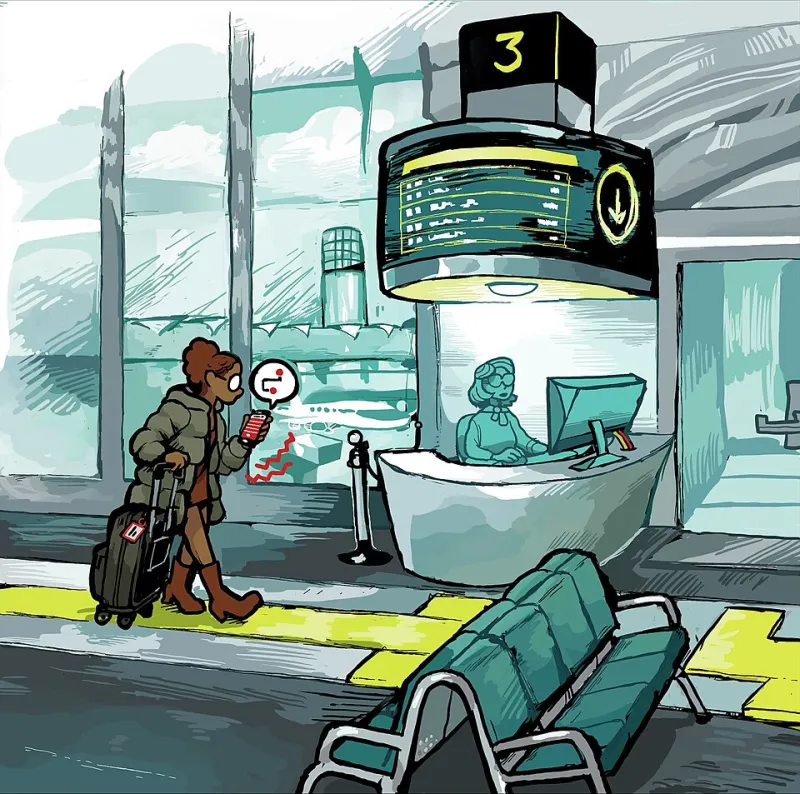
Photo: Sherm for Disabled And Here, CC BY 4.0, via Wikimedia Commons
If your inbox looks anything like mine used to, you've got 14 active fare alerts, 30 unread Google Flights emails, and a creeping numbness every time one pings. Alert fatigue is real, and it's costing you money — because when everything notifies you, nothing does.
The fix isn't more alerts. It's fewer, better ones. Here's the honest breakdown of what to keep and what to kill.
The 7 Alerts Worth Setting
1. The Holiday Fare Window (Set 3–4 Months Out)
Thanksgiving and Christmas fares follow a predictable arc: expensive at booking-open, a dip in late summer/early fall, then a spike 3 weeks out. Set an alert for your route starting around Labor Day for holiday travel. Typical savings when the dip fires: $80–$150 per ticket on domestic routes.
2. New-Route Launch Deals
When an airline starts flying a new route, the first month is a fire sale. Follow airline route announcements for your home airport, or set alerts on routes the second they bookable. Launch fares routinely run 30–50% below steady-state pricing, and they're often mistake-fare adjacent.
3. Your Specific Route, Anywhere Alert
This is the classic Google Flights 'Any dates, Anywhere' from your home airport. One alert, zero clutter, and it only fires when something is genuinely unusual — like Austin to Lisbon for $390. This alert fires rarely, which is exactly why it works.
4. The 6-Week International Dip
International fares to Europe tend to dip in a window roughly 6–10 weeks before departure as airlines try to fill unsold premium-adjacent seats. Set alerts on your dream routes and watch for drops of $150–$300 round trip.
5. Award-Space Alerts
If you play the points game, alerts on award availability (via tools like Seats-A-Date style trackers) are gold. Business class space to Asia popping up at saver rates is worth $2,500+ in cash fares. Low frequency, enormous payoff.
6. Price Drop on a Flight You Already Booked
Most US airlines don't refund fare drops, but Southwest does (in credit), and a handful of booking platforms offer price-drop protection. Even without a refund, knowing the price dropped is useful for future bookings on that route.
7. The Mistake-Fare Radar
One newsletter or Telegram group covering error fares — not five. As we've covered before, glitch fares die in hours, and a single reliable source is all you need to be early.
The 3 Alerts to Delete Today
1. Daily Price Tracking on a Trip 8 Months Out
Fare data this far out is noise. Prices will change a dozen times before the meaningful window. Mute it until 3 months out.
2. 'Deals From Your City' Newsletters You Never Open
If you've deleted the last 20 without reading them, unsubscribe. A deal you don't see is worth nothing.
3. Alerts on Routes You Can't Actually Fly
That $200 fare to Tokyo that departs Tuesday at 6 a.m. with two stops? If you can't take it, stop letting it ping you. Set alerts only on trips you'd genuinely book.
The Rule That Ties It Together
An alert earns its place if it fires rarely, saves meaningfully when it does, and matches a trip you'd actually take. Everything else is digital clutter dressed up as a bargain. Audit your setup, cut the dead weight, and you'll start noticing the alerts that matter — usually because they're the ones that just saved you a few hundred bucks.